Zero-Waste Bathroom Swaps: Refillable vs Single-Use Products
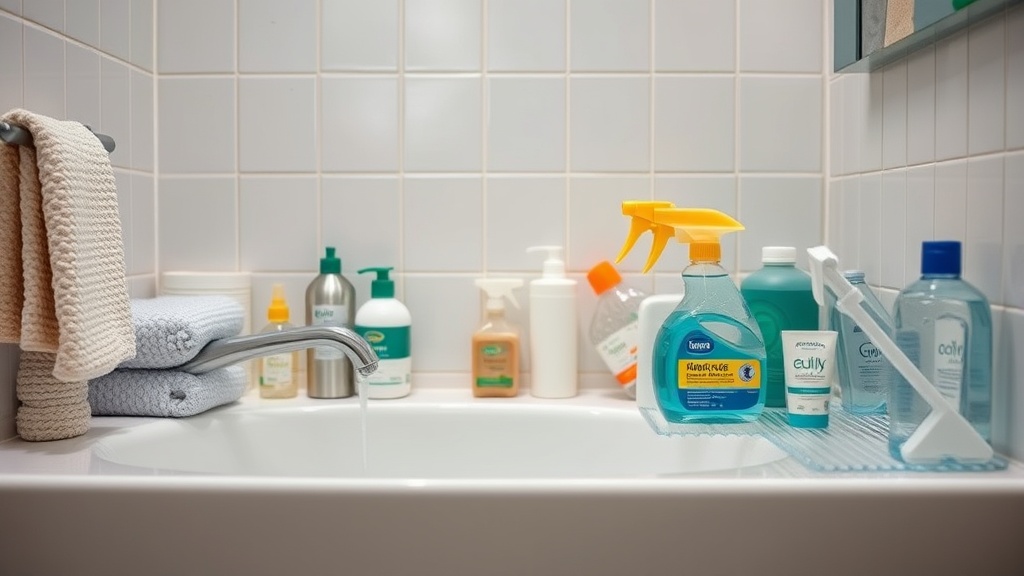
If you’re staring at your bathroom counter piled with plastic bottles, disposable razors, and individually wrapped soap bars wondering where all this waste is going to end, you’re not alone. Many households aim to reduce single-use plastic and packaging waste but aren’t sure if investing in refillable bathroom products truly makes a difference or if it’s just convenient marketing. This article unpacks the real impact of refillable versus single-use bathroom products, focusing on material waste, cost-effectiveness, ingredient transparency, and whether refillable claims actually cut down on overall plastic consumption.
What Are Refillable Bathroom Products?

Refillable bathroom products are designed to be used multiple times by replenishing the original container with the same product, typically via bulk purchases, pouches, cartridges, or concentrated refills. Common examples include:
- Shampoo and conditioner in refill pouches or cartridges
- Hand soap and body wash in reusable pump bottles
- Toothpaste refills (tubes or tablets)
- Lotion and face wash with compatible refill pods
These differ from single-use products, which come in packaging intended to be discarded immediately after one use, such as standard plastic shampoo bottles, pump soap bottles, and individually wrapped cotton rounds.
See also: Zero-Waste Bathroom: Essential Refillable Personal Care Products
How Refillable Products Reduce Waste
Phone cases · 15% off first order
Phone Case GiftThey pick the model · 2 minutes Code FIRST15GIFT
1. Material Reduction Through Concentration and Bulk
Refillable products often come in concentrated forms, meaning less water and packaging per use. For instance, a single large pouch can replace several smaller bottles, dramatically reducing the total plastic used. Bulk refills also typically use thinner pouches or flexible materials that consume fewer resources than rigid bottles.
2. Longevity of Primary Containers
Reusable bottles and dispensers made from durable materials (glass, aluminum, hard plastic) are designed to last months or years, spreading the environmental cost of production over many refills. This contrasts with single-use bottles thrown away after emptying.
3. Less Frequent Purchases Mean Less Transport Packaging
Buying refills in larger quantities reduces the number of trips and overall packaging related to shipping. Concentrated formulas lighter and more compact than full bottles further lower transport emissions.
When Refillable Product Claims May Fall Short
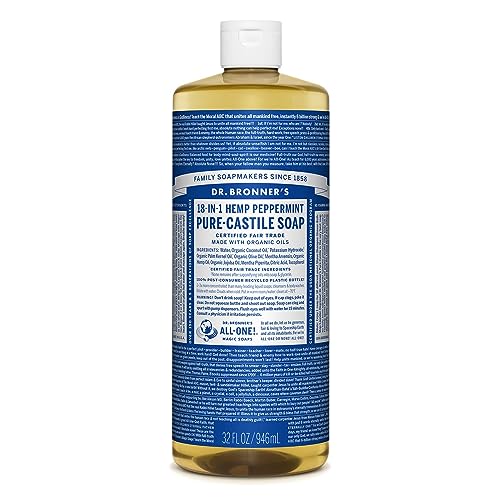
- Brand-Specific Cartridges Lock You In: Using proprietary cartridges can limit refill options, reducing competition and increasing waste. Some proprietary cartridges are bulky, single-polymer plastics with complicated recycling paths.
- Refill Packaging Still Requires Disposal or Recycling: Flexible pouches, while thinner, often cannot be recycled in standard municipal systems. Without industrial composting or advanced recycling, these may end up incinerated or in landfill.
- High Upfront Cost and Durability Variance: Refillable containers with pumps or mechanical parts can break, leading to replacements and more waste.
- Ingredient Opacity in Concentrated Formulas: Some concentrate formulations omit full ingredient disclosure, which is critical for household decision-making, especially for sensitive skin or allergies.
Cost Comparison: Refillable vs Single-Use Products
Phone cases · 15% off first order
Titan CasePrecision fit · 2,000+ designs Code FIRST15TIT
Cost considerations can be a major factor in bathroom swaps. Here’s a generic comparison showing typical price dynamics between refillable and single-use shampoo products, illustrating the math behind savings or cost neutrality.
| Feature | Single-Use Bottle (300ml) | Refillable Bottle + Concentrated Refill (300ml equiv.) |
|---|---|---|
| Initial bottle cost | $5 | $10 (one-time reusable container purchase) |
| Refill pack cost (per 300ml equiv.) | $5 | $3 (concentrated pouch cartridge) |
| Cost per month (1 bottle/refill) | $5 | $4 (spread Rs for reusable bottle over multiple months) |
| Packaging waste | ~30g rigid plastic | ~5g flexible pouch + reuse of main bottle |
| Recycling complexity | Usually recyclable by curbside | Pouch often not recyclable curbside; reuse offsets waste |
| Convenience | High | Moderate (requires transferring refill) |
While the initial investment in a refillable container is higher, savings accumulate over time if refills are bought consistently and the bottle has a long lifespan.
Ingredient Transparency: What To Watch For
One of the subtle challenges with refillable bathroom products is the transparency of ingredients. Concentrated refills often package bulk ingredients with less labeling, relying on the original container’s label for full disclosures. When switching brands or third-party refills, consumers can lose access to clear ingredient lists, which is crucial for allergy prevention, skin sensitivity, or ethical concerns.
Tips for maintaining transparency:
- Choose refill brands or refills that explicitly list full ingredients on packaging or websites.
- Keep original bottle labels if switching refills frequently.
- Research third-party refill suppliers to confirm ingredient claims align with your household standards.
Which Refillable Claims Actually Save Waste?

| Claim | Reality Check | Actionable Advice |
|---|---|---|
| ”Refillable containers cut plastic by 80%“ | Generally true if container reused >10x | Reuse containers diligently; donate extras or recycle responsibly. |
| ”Refill pouches are recyclable” | Usually false for curbside recycling | Check local capabilities or look for compostable alternatives. |
| ”Compatible cartridges reduce waste” | Only if cartridge is smaller or made with recycled materials | Research third-party cartridges for waste profile before switching. |
| ”Concentrated formulas reduce transport footprint” | True, concentration cuts packaging weight drastically | Prioritize concentrated refills shipped in bulk or low-packaging formats. |
Practical Steps to Switch to Zero-Waste Bathroom Products
- Audit Your Bathroom Waste: Track types of packaging and frequency of purchase to understand the biggest waste contributors.
- Research Refillable Container Options: Look for durable containers that fit your bathroom setup and suit your products.
- Choose Concentrated or Bulk Refills: Prioritize refills that minimize packaging and maximize concentration.
- Verify Ingredient Transparency: Confirm clear and accessible ingredient information before switching.
- Commit to Reuse and Recycling: Establish routines for thorough cleaning and reuse of containers, and check recycling rules for refill pouches or cartridges.
- Try One Product at a Time: Swap out the biggest waste contributor first (often shampoo or body wash) to make the habit manageable.
- Avoid Proprietary Locks: Where possible, select refill systems compatible with multiple refill suppliers or generic concentrates.
Conclusion
Refillable bathroom products can deliver significant waste reduction, but only when chosen carefully with an eye to product concentration, packaging recyclability, ingredient transparency, and actual reuse habits. By understanding the math around cost and waste savings, prioritizing bulk or concentrated refills, and steering clear of gimmicks like proprietary cartridges, households can make informed zero-waste swaps that benefit both their wallets and the planet.
Top Picks


Frequently Asked Questions
Q: Does switching to refillable products always save money?
A: Not always upfront, as reusable containers usually cost more initially. However, over multiple refills, costs tend to be lower if you commit to continuing the refill system.
Q: Are all flexible refill pouches recyclable?
A: No. Many flexible pouches are made from multi-layer materials that are not accepted in curbside recycling programs. Look for labeled compostable options or check with local recycling facilities.
Q: How can I ensure refillable products meet my ingredient standards?
A: Seek out brands and refill suppliers that provide full ingredient lists either on packaging or online. Retain original bottle labels when trying new refills to stay informed.