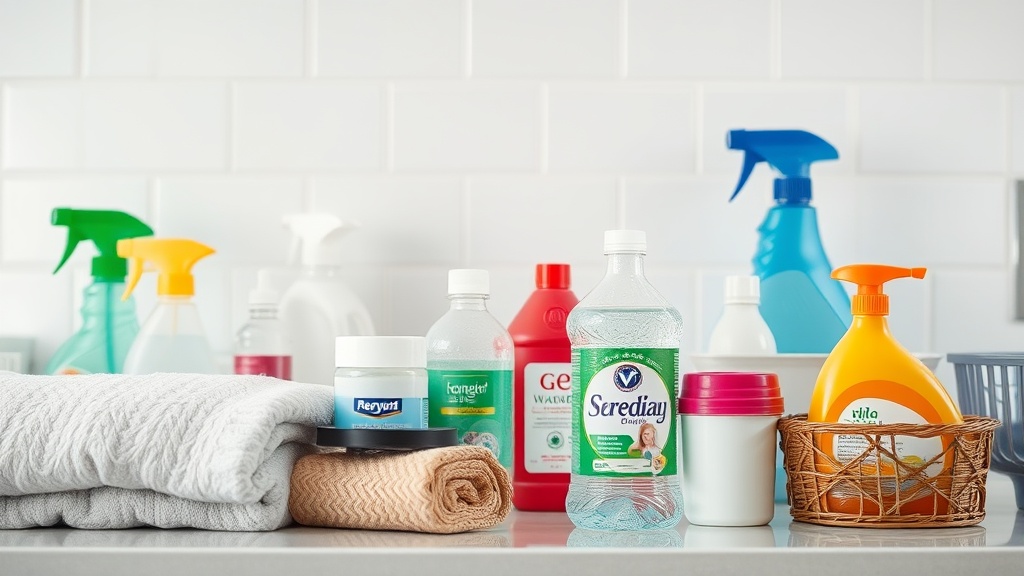
Refilling personal care products at home—like shampoo, conditioner, body wash, or lotion—is an excellent strategy for reducing single-use plastic waste and cutting costs. However, many people hesitate because they’re unsure how to do it safely without risking cross-contamination, which can degrade product quality or even cause skin irritations and infections. This guide covers practical steps and precautions to refill personal care containers properly while keeping hygiene standards high and minimizing waste.
Why Cross-Contamination Matters When Refilling

Cross-contamination happens when bacteria, fungi, or other unwanted substances transfer from one product or container to another. Once introduced, microorganisms can multiply in moist, nutrient-rich environments like shampoos and body washes, leading to spoilage, unpleasant odors, or skin problems.
Because personal care items often come into contact with skin and hair, ensuring your refills are sterile and uncontaminated is crucial. This means more than just “topping off” bottles; it involves understanding how microbes transfer, minimizing exposure, and cleaning or selecting containers properly.
See also: Comparing Best Refillable Personal Care Brands for Plastic Reduction
6 Steps to Refill Personal Care Products Safely to Avoid Cross-Contamination
Phone cases · 15% off first order
Phone Case GiftThey pick the model · 2 minutes Code FIRST15GIFT
1. Choose the Right Container and Bottle Type
- Use original containers if possible: Brand bottles are designed specifically for the product, often with antimicrobial properties or airtight seals.
- Opt for wide-mouth refill containers: These allow easier cleaning and reduce risk of spills or contamination during pouring.
- Avoid mixing old and new product in the same bottle: Fully empty and clean before refilling.
2. Clean and Sanitize Reusable Bottles Thoroughly
Before any refill:
- Rinse with hot water first to remove residues.
- Clean with mild soap or a vinegar solution to break down oils or leftover product.
- Sanitize with 70% isopropyl alcohol, bleach dilution (1 tbsp bleach per quart water), or boiling water: Make sure the container material tolerates your cleaning method.
- Air dry completely on a clean rack or towel since microbes thrive in damp environments.
3. Handle Refills With Hygienic Tools
Cross-contamination often occurs during transfer:
- Use dedicated funnels reserved only for your personal care refills and sanitize between uses.
- Avoid touching the inside of bottles, containers, or refill pouches with bare hands.
- Use clean gloves or wash hands thoroughly before refilling.
- Pour or squeeze product slowly to avoid splashing and airborne contamination.
4. Select High-Concentration or Preserved Refills Where Possible
Concentrated refills require adding water at home, which can increase contamination risk due to unsterile water or dilution:
- Prefer ready-to-use, well-preserved refills when available.
- Check if refill product lists preservatives like phenoxyethanol or benzyl alcohol — these inhibit microbial growth.
- If diluting concentrates, use boiled and cooled water or sterile water, not tap water directly.
5. Store Refilled Bottles in Cool, Dry, and Dark Areas
Heat and light accelerate product breakdown and microbial growth:
- Keep bottles away from direct sunlight and bathroom steam.
- Seal bottles tightly after each use.
- Use refilled products within a reasonable timeframe (generally 1-3 months depending on product and environment).
6. Monitor for Signs of Contamination Regularly
Look out for:
- Changes in color, smell, or texture.
- Mold or particles floating.
- Skin irritation after use.
If any signs appear, discard the product and clean bottles thoroughly before next use.
Cross-Contamination Risk Factors: Quick Comparison

| Factor | Low Risk | Medium Risk | High Risk |
|---|---|---|---|
| Container Type | Brand-new sealed bottles | Cleaned reusable bottles | Dirty or cracked bottles |
| Cleaning Method | Sanitized with alcohol or bleach | Washed with soap only | No cleaning before refill |
| Transfer Tools | Dedicated funnel + gloves | Funnel only | Bare hands or open pouring |
| Product Type | Preserved ready-to-use product | Concentrate diluted with sterile water | Concentrate diluted with tap water |
| Storage Conditions | Cool, dark, dry place + sealed tightly | Room temperature, occasional sunlight | Warm, humid, bathroom steam exposure |
Bonus: Calculating Cost & Waste Savings Vs. Contamination Risk

| Scenario | Approximate Cost Savings | Waste Reduction | Contamination Risk | Notes | |---------------------------------|-----------------------------|----------------------|--------------------------|--------------------------------| | Using brand-name ready refills | 20-40% lower than bottles | Moderate (less plastic) | Low | Easiest, safest method | | Using third-party cartridges | 30-50% lower cost | Moderate to High | Medium | May void warranty; check compatibility | | Diluting concentrate at home | 50-70% savings | High | High | Requires extra care, clean water, precise measurement | | Refilling from large bulk containers | Highest cost savings (up to 70%) | Highest waste reduction | Medium to high | Requires thorough sanitation and careful handling |
Summary
Refilling personal care products can significantly reduce plastic waste and save money but must be done carefully to avoid cross-contamination. The keys are choosing appropriate containers, thorough cleaning and sanitizing, hygienic handling, using preserved or ready-to-use refills, storing properly, and auditing product quality regularly. Using the comparison table above, you can weigh cost and contamination risks to find the right method for your household.
Top Picks
Phone cases · 15% off first order
Phone Cases For CharityEvery case supports a cause Code GIVE10

Frequently Asked Questions
Q: How often should I clean my reusable personal care bottles?
A: Clean and sanitize bottles thoroughly before each refill. Even if you refill the same day, cleaning prevents bacterial buildup.
Q: Can I refill shampoo bottles with homemade mixtures like water and castile soap?
A: Homemade mixtures can increase contamination risk unless you maintain strict sanitation and use preservatives. Use caution and small batches.
Q: Is it okay to refill a bottle without completely emptying it first?
A: No. Mixing old and new product can introduce bacteria and destabilize preservatives, increasing contamination risk.
By following these guidelines, you can confidently refill personal care products while keeping your household safe and reducing environmental impact.